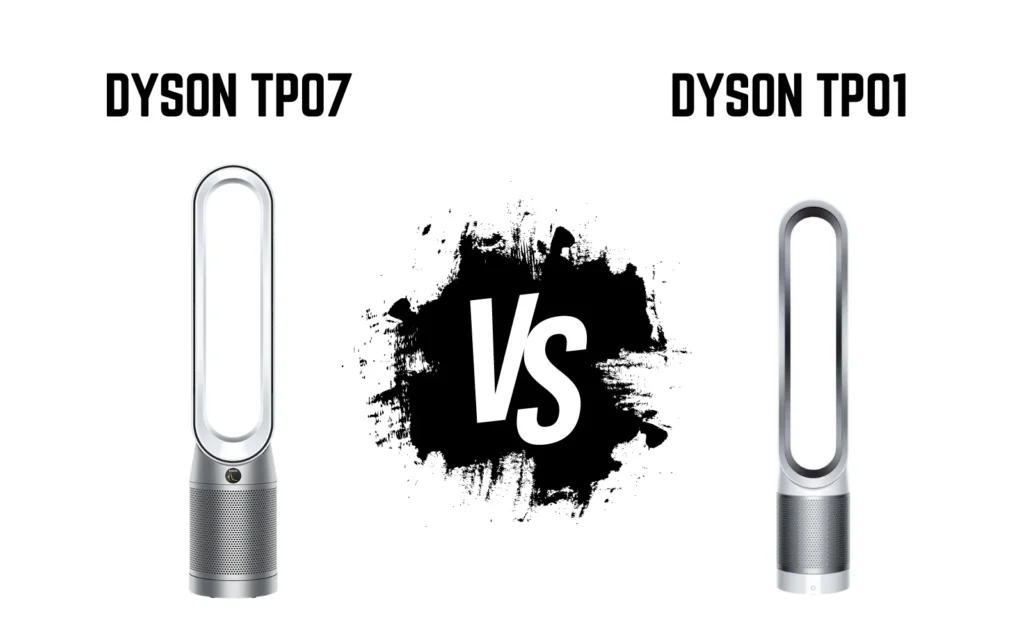
If you are looking for a detailed and unbiased review of the Dyson TP04 and TP7A air purifiers, and want to learn about their pros and cons, their similarities and differences, and their value for money, then you have come to the right place. In this article, I will compare the features, sensors, and filters of these two models of air purifier fan heaters, and help you decide which one is better for your needs.
The TP7A is better than the TP04 in several aspects, such as having a VOCs filter, a lower noise level, and a wider oscillation. You can read the detailed comparison below.
Dyson TP04 vs TP7A Air Purifier Quick Comparison Table:
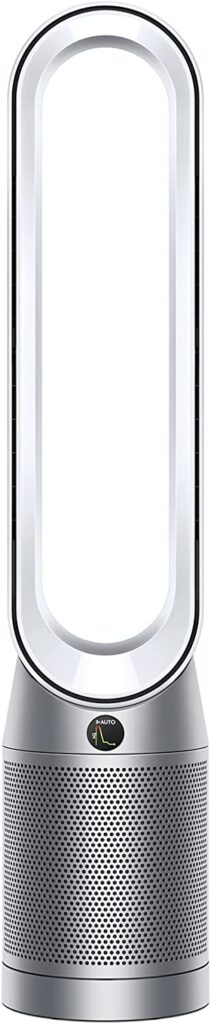
Dyson TP7A

Dyson TP04
Dyson TP4 vs TP07A Air Purifier Major Differences
We compare the features of both products in terms of design, performance, filtration system, noise reduction, and connectivity.
- Coverage Area & Efficiency
- Size & Dimensions
- Working Noise
- Sensors & Display
- Connectivity & Compatibility
- Filtration system
- Clean Air Deliver Rate
- Oscillation
Dyson TP04 and TP7A Air Purifier Coverage Area & Efficiency:
I have faced the challenge of finding an air purifier and cooler that is effective yet economical. Thankfully, Dyson has created two products: the TP04 and TP7A, that offer robust coverage areas with superior efficiency.
The TP04 can purify rooms up to 450 ft², while the TP7A can manage up to 43 m² (460 ft²). Both models leverage Dyson’s Air Multiplier technology for efficient delivery of air and oscillation technology that allows you to choose between 45°, 90°, 180° or 350° degrees for even distribution in the room.
Size & Dimensions:
The Dyson TP04 and TP7A air purifiers are two of the most advanced models on the market, but they have some fundamental differences in size and dimensions. The Dyson TP04 is a medium-sized model that measures 7.7 x 23.1 inches, making it an excellent option for small to medium-sized rooms such as bedrooms, living rooms, or offices.
On the other hand, the Dyson TP7A is a larger unit that measures 10.2 x 30.3 inches, making it suitable for larger areas like an open-plan kitchen and living area.
While both models are slim enough to fit under furniture or along walls without taking up too much space, their different sizes also allow you to choose a model best suited for your needs.
Working Noise Difference of Dyson TP7A vs TP04:
As someone subject to the annoyance of living in a noisy environment, I’ve been on the hunt for effective and quiet fans.
When running at full speed, the TP04 produces around 65 decibels (dB) of noise, while its counterpart produces 60 dB. This 5-dB difference may not seem like much, but it significantly impacts my ears, as it’s equivalent to turning down the volume by half on most speakers!
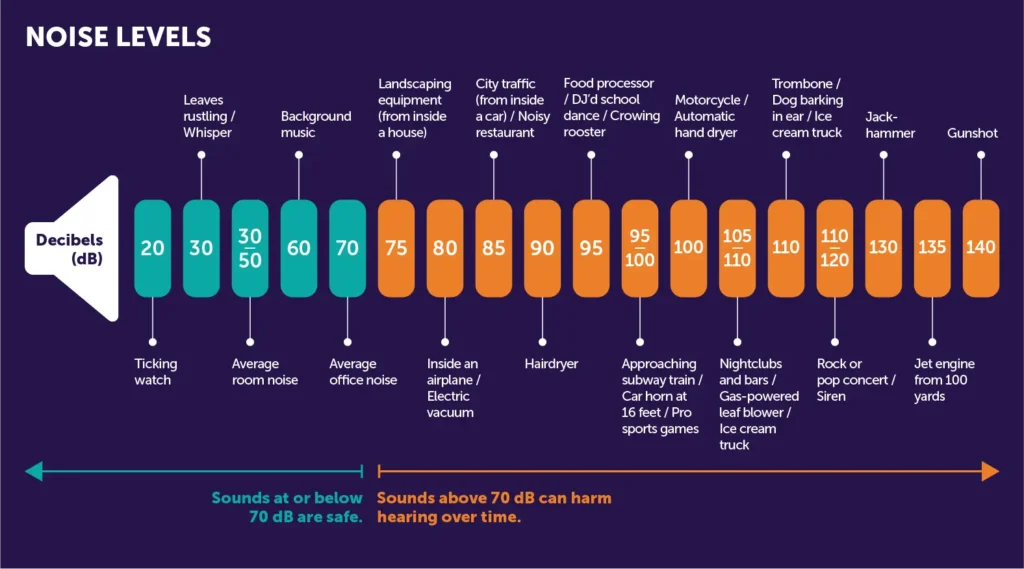
The story is even better when placed into sleep mode, with both fans producing less than 42 dB of noise - about as loud as normal conversation.
Sensors & Display:
As a person who has always been conscious of the air quality around me, I was looking for an air purifier that could give me real-time information about my indoor environment. When researching, I came across Dyson’s TP04 and TP7A Air Purifiers.
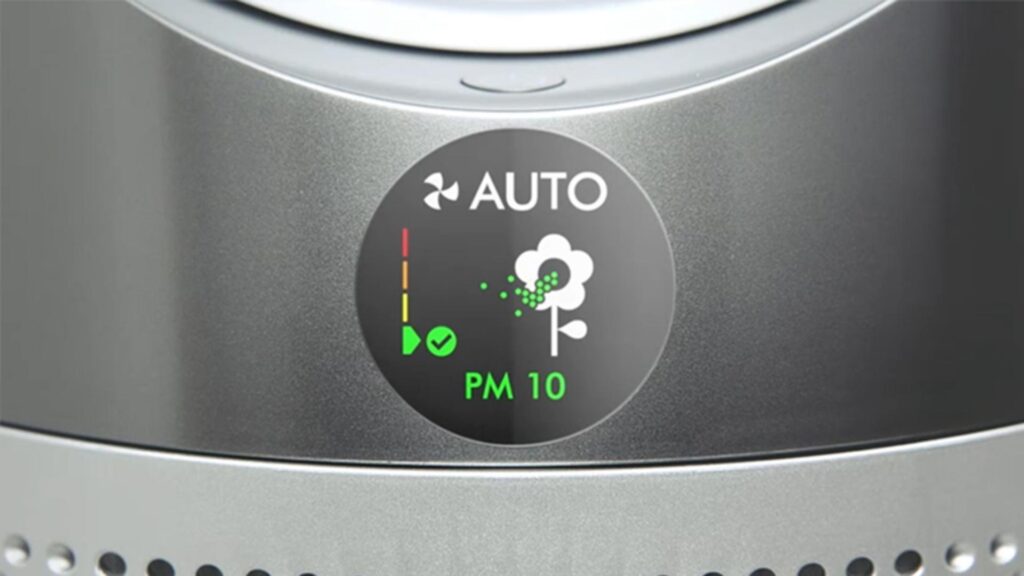
These air purifiers come with intelligent sensors that detect real-time temperature, humidity, and pollution levels inside the room. This allows them to adjust automatic settings such as fan speed according to current conditions, giving you the best possible air quality without constantly monitoring it.
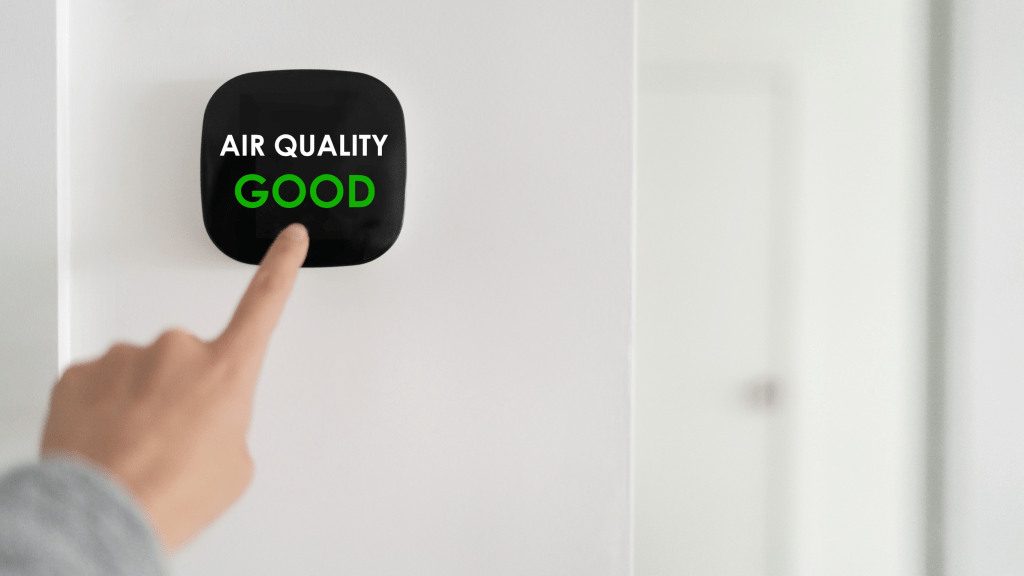
Being able to view this data is also incredibly important in determining if your air quality needs improvement or not. The LCD screen on both models allows you to view the current Air Quality Index (AQI) and PM 2.5, PM 10, VOCs, NO2, SO2, temperature, humidity, and filter life. The TP04 also offers an app for your smartphone that conveniently shows all of this information.
Connectivity & Compatibility:
As a technology enthusiast, I always sought the perfect air purifier to keep my home clean and healthy. When it came time to compare the Dyson TP04 vs TP7A, I was particularly interested in their connectivity and compatibility features.
The TP04, has Wi-Fi capabilities to monitor and control remotely with your smartphone and the Dyson Link app. Additionally, it can be integrated with your intelligent home assistant for even more convenience.
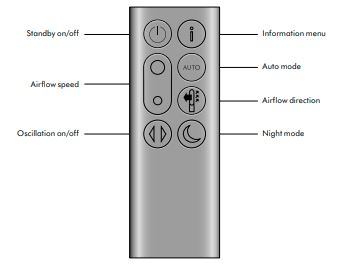
On the other hand, the TP7A does not have any Wi-Fi capabilities at all. Aside from this difference in connectivity, both models feature a remote which allows you to turn on/off the device, change oscillation levels, adjust speed settings, activate auto or night mode, and set a timer.
Filtration system:
Regarding filtration systems, the Dyson TP04 and TP7A differ in two ways.
Firstly, the former uses a three-in-one filter system consisting of an activated carbon filter, HEPA filter, and 360 Glass HEPA filter to trap 99.95% of pollutants like pollen, dust mites, and pet dander as small as 0.3 microns in size.
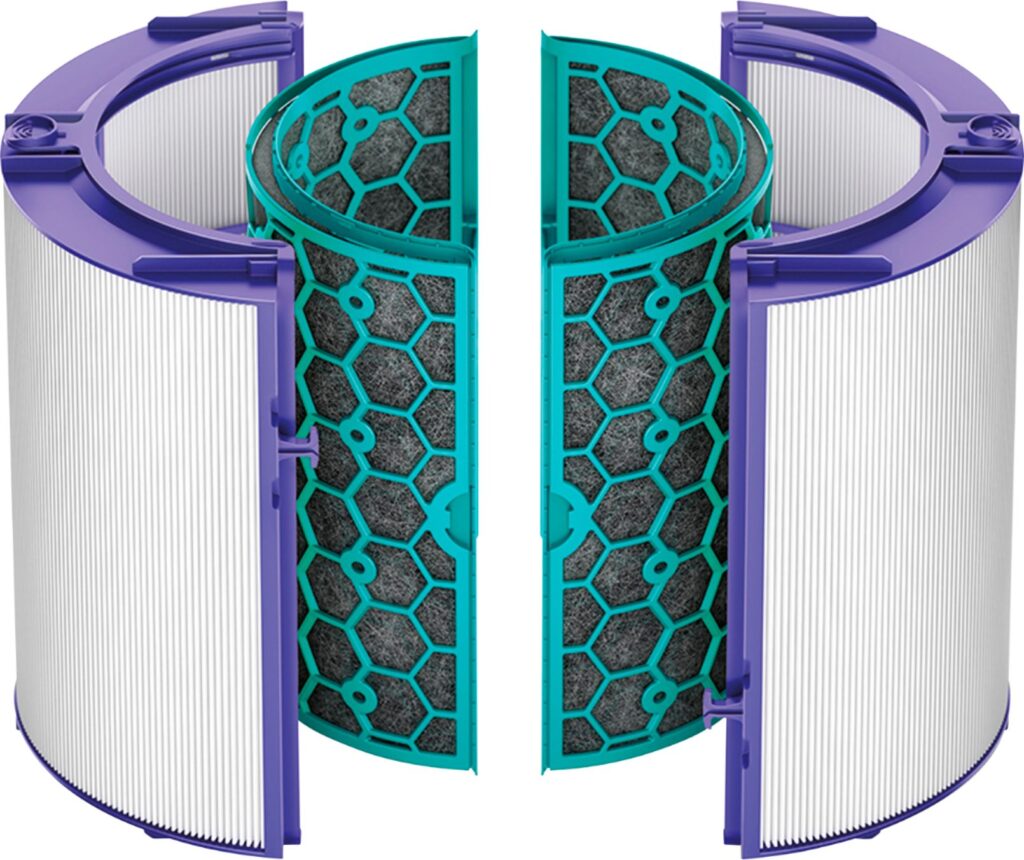
On the other hand, the TP7A utilizes a four-in-one filter system that includes an activated carbon filter, HEPA filter, Glass HEPA filter, and a VOC (volatile organic compounds) absorber to capture 99.97% of pollutants such as mold spores and smoke particles up to 0.1 microns in size.
The TP04 and TP7A both have an anti-allergen seal which helps to prevent leakage of polluted air back into the room, as well as a Glass HEPA filter that offers superior performance and durability compared to other standard filters.
Moreover, the TP04 has a unique pre-filter layer to capture larger particles and extend filter life. At the same time, the TP7A comes with an AriaDx algorithm that monitors air quality and adjusts fan speed accordingly.
Overall, both Dyson air purifiers offer excellent filtration systems that can help you create a healthy living environment for your family.
Clean Air Deliver Rate:
The Clean Air Delivery Rate (CADR) of the Dyson TP04 and TP7A air purifiers is crucial when shopping for a product that offers optimal performance. The CADR of the TP04 is 164 m³/h while the CADR of the TP7A is 180 m³/h, making it a more robust and efficient machine.
This means that the TP7A removes more pollutants from your home in less time and with greater ease and convenience. With its superior CADR, you can enjoy cleaner air quicker than ever before while reaping the benefits of low energy consumption. This makes the TP7A ideal for those looking for a top-notch air purifier that won’t break the bank.
Oscillation:
The Dyson TP04 and TP7A air purifiers provide users with an impressive range of oscillation, allowing them to distribute the purified air evenly throughout a room. The TP04 comes equipped with a 45°, 90°, 180° or 350° range of motion, while the TP7A offers a full 350-degree range.
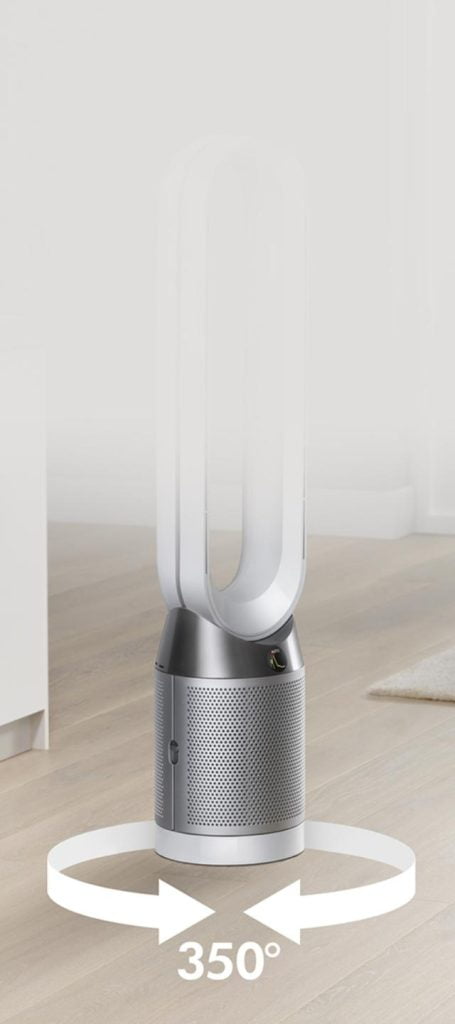
This wider angle means you can cover more space without manually adjusting the fan direction every few minutes. Moreover, both models leverage Dyson’s Air Multiplier Technology, enabling efficient delivery of fresh air and directed airflow for superior coverage area. With the help of this innovative technology, you can now enjoy clean and healthy air in no time! However, sometimes you might encounter some problems with the oscillation of your device, such as you Dyson air purifier not working properly or making a loud noise. If that happens, you can check out this article on how to fix oscillation problems of Dyson air purifier.
Dyson TP04 vs TP7A – Which is the Better Air Purifier?
Choosing between the Dyson TP04 and TP07A cleaners depends on your needs and preferences. I opted for the Dyson Pure Cool TP04 because I wanted to monitor my air quality from anywhere in the world with remote control integration.
However, if you are looking for a powerful cleaner to cleanse larger rooms without breaking your bank balance, then the Dyson Purifier Cool Autoreact TP7A is worth considering. Both models offer excellent performance, so whichever you choose, you will have peace of mind knowing that your home’s air quality is in good hands!
Conclusion:
Both the Dyson TP04 and TP7A have their advantages. After researching and deciding which one to choose, I chose the Dyson TP04 for its advanced technology, superior air purification abilities, and affordability.
It has made a massive difference in my home’s atmosphere and has drastically improved my air quality. Most importantly, this purchase was worth every penny because of its incredible value proposition. It guarantees results while being far more affordable than other top-of-the-line models.
Related F.A.Qs:
Is Dyson TP04 a fan?
Yes, the Dyson TP04 is a fan-based air purifier that uses Air Multiplier technology to offer superior performance.
Does the TP7A have Wi-Fi capabilities?
No, the Dyson Pure Cool Autoreact TP7A has no Wi-Fi capabilities whatsoever.
Does the Dyson TP04 cool the room?
No, the Dyson TP04 does not cool the room. It is an air purifier that filters particles and pollutants from your home’s atmosphere to create a healthier living environment.
Is a Dyson fan as good as an air conditioner?
No, a Dyson fan is less effective at cooling a room than an air conditioner. The Dyson fans are designed to circulate the air in the room and provide relief from hot temperatures, but they cannot reduce the temperature of a room like an air conditioner can.
How long do Dyson air filters last?
The lifespan of a Dyson air filter depends on the frequency and intensity of use and the quality of the air it is filtering. Typically, its filters should last between 12-18 months with normal usage before they need to be replaced.